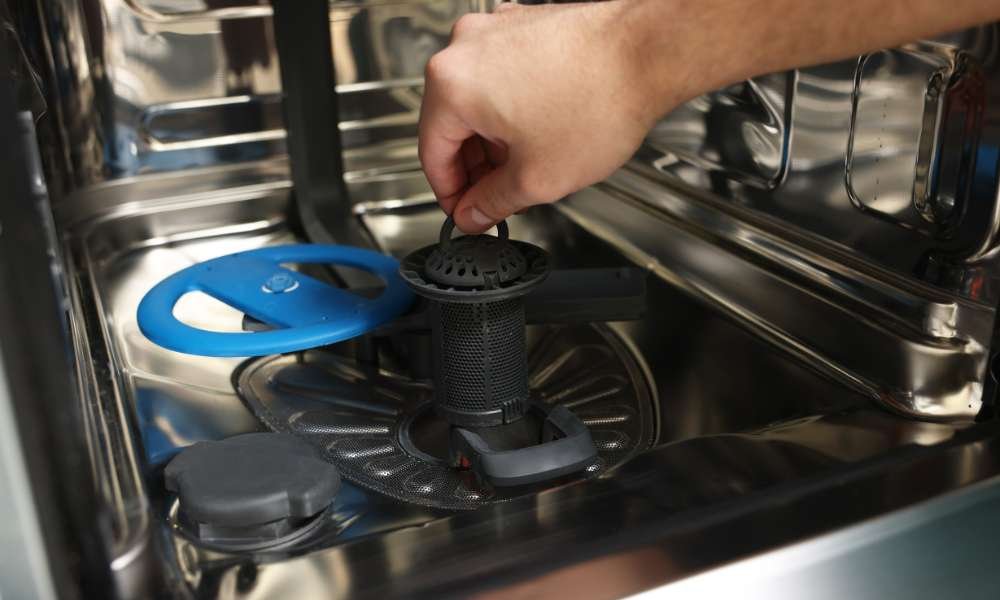
Install Drain Hose On Dishwasher would possibly seem intimidating in the beginning, however with a touch steerage, it’s a newbie-friendly task that may save you cash and hold your kitchen walking smoothly. Whether you are putting in place a new unit or replacing an vintage hose, know-how the basics of the set up procedure helps ensure clean dishes and a dry ground. This manual is designed to walk you via the whole lot you need to understand, step-by using-step, the usage of simple language and inspiring hints so you feel confident doing it your self.
Understanding the Purpose of a Dishwasher Drain Hose
The drain pipe is a critical part of your dishwasher’s drainage machine. It’s liable for wearing grimy water out of the dishwasher and into your home’s plumbing. Without it, water would have nowhere to move after a cycle, causing overflows, unpleasant smells, or even water damage. The hose connects from the dishwasher’s pump for your sink drain or garbage disposal unit, allowing wastewater to exit efficiently. Think of it because the dishwasher’s “exit door” for all of the dust and grease.
Why Proper Drain Hose Installation Matters for Your Dishwasher’s Performance
If your drain pipe isn’t set up well, it is able to motive extreme troubles like sluggish draining, standing water in the dishwasher, or even backflow that sends grimy water returned into the system. A bad connection can lead to leaks, mould, and lengthy-term harm to your shelves or floors. A efficaciously established drain pipe no longer best guarantees smooth operation however also protects your kitchen from avoidable messes and costly repairs. Getting this step proper helps your dishwasher remaining longer and run greater efficaciously.
What You’ll Need: Tools and Materials Checklist
Before you start, accumulate all of the essential equipment and substances to make the manner smoother. You’ll want: Tools and Materials Checklist
Before you begin, gather all the necessary tools and supplies to make the process smoother. You’ll need:
- A new drain hose (if replacing or installing one)
- Screwdrivers (usually Phillips head)
- Adjustable wrench or pliers
- Hose clamps
- Bucket or towel (for any leftover water)
- Flashlight (to see under cabinets)
- Zip ties or clips (to secure the pipe in place)
Having everything ready ahead of time helps avoid mid-job frustrations and ensures you finish in one go.
Types of Dishwasher Drain Hose Setups
Direct-to-Drain Connection
In this setup, the drain hose connects directly to the sink’s drainpipe, typically through a special branch fitting called a dishwasher tailpiece. It’s a common configuration in homes without garbage disposals. The high loop or air gap is essential here to prevent wastewater from backing up into your dishwasher. This type of connection is simple and cost-effective, making it a popular choice.
Garbage Disposal Connection
If your kitchen has a garbage disposal, this setup involves connecting the hose to the disposal’s inlet port. Before attaching the pipe, ensure the disposal’s knockout plug is removed—otherwise, water won’t drain properly. The pipe is then secured using a clamp. This method is convenient because it allows food particles to be ground up and drained together, but proper sealing is crucial to prevent leaks or clogs.
Choosing the Right Drain Hose for Your Dishwasher Model
Not all drain hoses are one-size-fits-all. Some dishwashers require specific lengths, diameters, or pipe types depending on the brand and model. Always refer to your dishwasher’s user manual for compatibility information. Universal hoses are available, but it’s safer to double-check if they match the inlet and outlet sizes of your dishwasher and drain system. If your dishwasher sits far from the sink, you may need an extended drain pipe , but make sure it doesn’t exceed the maximum length recommended by the manufacturer to prevent drainage issues.
Where Should the Drain Hose Go? Understanding Placement and Routing
Proper placement of the dishwasher drain pipe is essential for efficient drainage and preventing water from backing up into the appliance. Typically, the hose runs from the rear of the dishwasher to either a garbage disposal inlet or a sink drain tailpiece. It should be routed through a hole in the cabinet wall, rising in a high loop near the underside of the countertop before descending to the drain connection. This high loop or an air gap is crucial—it stops wastewater from the sink or disposal from re-entering your dishwasher. Always make sure the hose is not kinked or overly stretched, as this can restrict water flow.
Pre-Installation Tips: Preparing Your Kitchen for a Smooth Install
Before you start installing the pipe, it’s important to prep your kitchen workspace. Clear out the cabinet space under the sink to give yourself room to work. Lay down towels or a shallow pan to catch any water drips. Double-check that you have the right pipe type and size for your dishwasher and that your dishwasher is positioned close enough to the sink or disposal unit. If your dishwasher is not yet installed, keep it pulled out slightly so you can easily access the drain outlet and maneuver the pipe. Good preparation can make the job go much faster and help avoid common installation hiccups.
Step-by-Step Instructions: How to Install Drain Hose on Dishwasher
Step 1: Turn Off Power and Water Supply
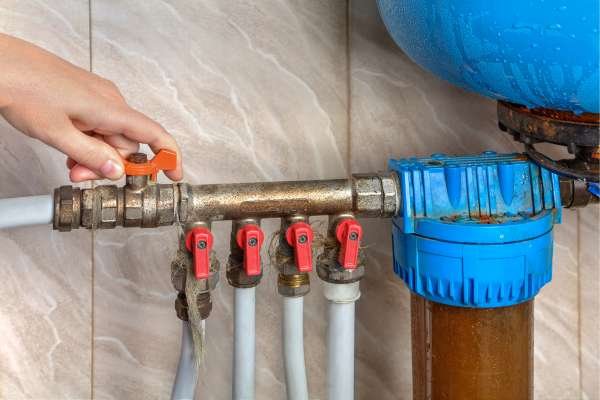
Safety comes first. Always disconnect the power at the breaker and shut off the water supply valve under the sink before you begin any dishwasher installation or modification. This step prevents electrical accidents and water spills while working with plumbing and wiring.
Step 2: Locate the Drain Outlet on the Dishwasher
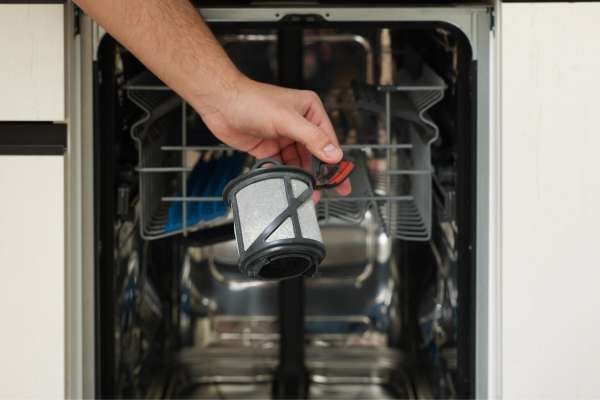
Find the drain outlet at the back or bottom of the dishwasher. This is where the hose will connect. Most models have a barbed fitting secured with a clamp. Ensure the outlet is clean and dry before attaching the pipe.
Step 3: Route the Drain Hose Through the Cabinet
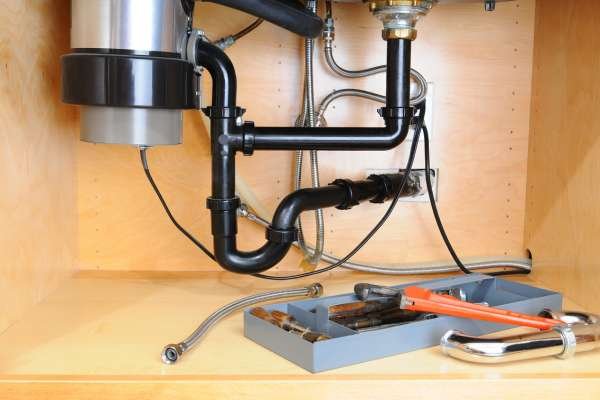
Feed the hose from the dishwasher through the hole in the cabinet side wall to reach the sink area. Be careful not to kink or twist the pipe. Make sure the pipe has enough slack to allow for future movement or maintenance but not so much that it sags or loops unnecessarily.
Step 4: Connect to Garbage Disposal or Sink Drain
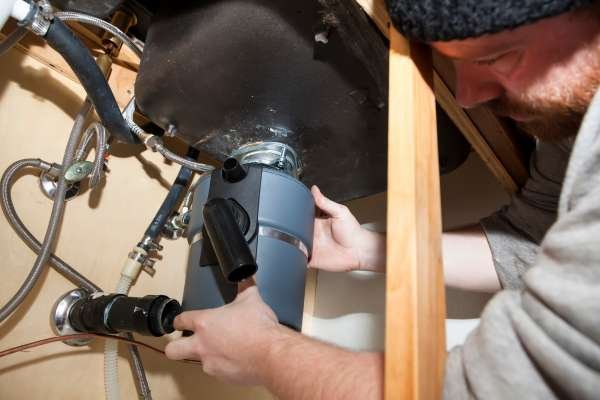
Attach the hose to either the dishwasher inlet on the garbage disposal or the tailpiece of the sink drain. If using a disposal, remember to knock out the plug inside the inlet port. Slide the hose onto the connection point and use a hose clamp to secure it tightly.
Step 5: Secure the High Loop or Air Gap
Before the hose reaches the drain or disposal, create a high loop by securing the pipe to the underside of the countertop using a bracket or zip tie. This ensures wastewater can’t backflow into your dishwasher. Alternatively, if local codes require it, install an air gap at the sink or countertop for added protection.
Step 6: Clamp and Secure All Connections
Double-check all hose connections to make sure they’re tightly clamped and leak-free. Wiggle the pipe slightly to ensure it’s firmly in place and won’t pop off under water pressure. Use additional zip ties or brackets to keep the pipe neatly in place and prevent sagging.
How to Create a High Loop or Install an Air Gap for Backflow Prevention
The high loop method involves looping the drain hose up to the highest point beneath the countertop and securing it with a clamp or bracket. This simple method is effective in most areas unless local building codes specifically require an air gap. The air gap is a small cylindrical fixture mounted on the countertop or sink. It prevents contaminated water from siphoning back into the dishwasher by introducing a physical break in the drainage path. Installation involves running one hose from the dishwasher to the air gap and another from the air gap to the disposal or sink drain. Whichever method you choose, make sure it complies with your local plumbing regulations.
How to Attach the Drain Hose to a Garbage Disposal Properly
If you’re connecting the hose to a garbage disposal, start by locating the inlet port—usually a small nozzle on the side. Use a screwdriver to knock out the plastic plug inside (this is critical—skipping this step will block water flow). Insert the drain pipe securely over the inlet port and fasten it with a stainless-steel pipe clamp. Tighten the clamp enough to prevent leaks but not so tight that it damages the pipe. Give it a gentle tug to ensure it’s secure. Once connected, double-check that the hose still maintains its high loop and isn’t kinked, pinched, or sagging.
How to Install a Drain Hose When You Don’t Have a Garbage Disposal
If your kitchen doesn’t have a garbage disposal, don’t worry—you can still install a dishwasher drain pipe effectively. In this case, the pipe is connected directly to the sink’s drain pipe using a dishwasher tailpiece. This is a pipe fitting with a built-in nozzle for the drain pipe and is installed between the sink strainer and the P-trap. Simply attach the pipe to the tailpiece’s inlet using a hose clamp, and don’t forget to include a high loop or air gap to prevent backflow. This method works just as well as a disposal connection and is commonly used in simpler kitchen setups.
Common Mistakes to Avoid When Installing Dishwasher Drain Hose
Even a small error in drain pipe installation can lead to messy consequences. One common mistake is skipping the high loop or air gap, which can allow dirty water to flow back into the dishwasher. Others include overtime tightening the pipe clamp, which can damage the hose, or leaving the pipe kinked or sagging, which restricts water flow. Some people also forget to knock out the plug in the garbage disposal port, causing drainage to back up immediately. Taking your time, following manufacturer instructions, and double-checking your setup can help avoid these headaches.
How to Check for Leaks After Installing the Drain Hose
After the hose is installed and secured, it’s crucial to test for leaks before pushing the dishwasher fully into place. Turn the power and water back on, then run a short rinse cycle. While the cycle is running, inspect the entire length of the hose and all connection points—especially under the sink. Look for any drips or signs of moisture. Place a dry paper towel or cloth underneath the pipe to detect even small leaks. If anything is damp or wet, turn off the machine and tighten the connections or reseat the hose as needed.
Troubleshooting Drain Hose Installation Issues
If your dishwasher isn’t draining properly after installation, the issue could be with the hose. First, ensure it isn’t kinked, pinched, or blocked. Remove the pipe and check for clogs—sometimes debris or food particles can get lodged inside. Also verify that the pipe isn’t too long or installed too low, as that can cause poor drainage or siphoning. If you’re using a garbage disposal, confirm the knockout plug was removed. For persistent problems, check that the high loop or air gap is correctly positioned and isn’t obstructed.
Maintenance Tips to Keep Your Dishwasher Drain Hose Flowing Freely
To avoid clogs and drainage issues, give your drain hose a bit of attention during regular maintenance. Once a month, run a hot water cycle with a cup of vinegar to flush out grease and grime. Check the hose for signs of wear, bulging, or leaks every few months. Make sure it’s still tightly secured and hasn’t slipped from its high loop. Also, avoid rinsing large food particles down the drain, as these can eventually work their way into the pipe and cause blockages.
How to Replace a Worn-Out or Leaking Drain Hose
If your current drain hose is cracked, leaking, or no longer draining efficiently, it’s time for a replacement. First, disconnect the power and water supply, then loosen the clamps and detach the hose from both the dishwasher and the drain connection. Take the old pipe to the hardware store to find a matching replacement, or refer to your dishwasher’s manual. Install the new hose using the same steps: route it carefully, secure it with clamps, and ensure a proper high loop or air gap is in place. Finish by running a test cycle to confirm it’s working correctly.
When to Call a Plumber Instead of Doing It Yourself
While installing a dishwasher drain hose is usually manageable for a handy homeowner, there are situations where calling a plumber is the smarter choice. If your kitchen doesn’t have the proper plumbing hookups, if your sink’s piping is outdated or corroded, or if you’re dealing with frequent leaks even after reinstalling, professional help can save time and frustration. Plumbers can also ensure everything complies with local codes, especially when installing air gaps or new tailpieces.
Final Thoughts
Installing a dishwasher drain hose might sound like a plumbing job for the pros, but it’s actually very doable with the right guidance. By understanding where the pipe goes, choosing the right setup, and following each step carefully, you can complete the job in less than an hour. Just remember to include a high loop or air gap, test for leaks, and stay on top of regular maintenance. Your dishwasher will thank you with years of spotless dishes and stress-free drainage.